The Story
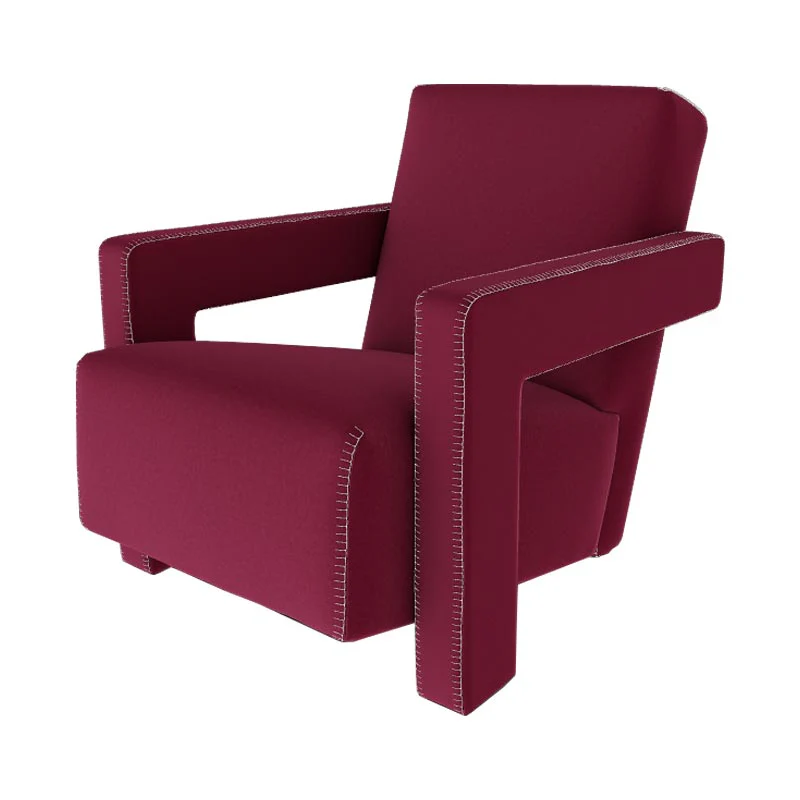
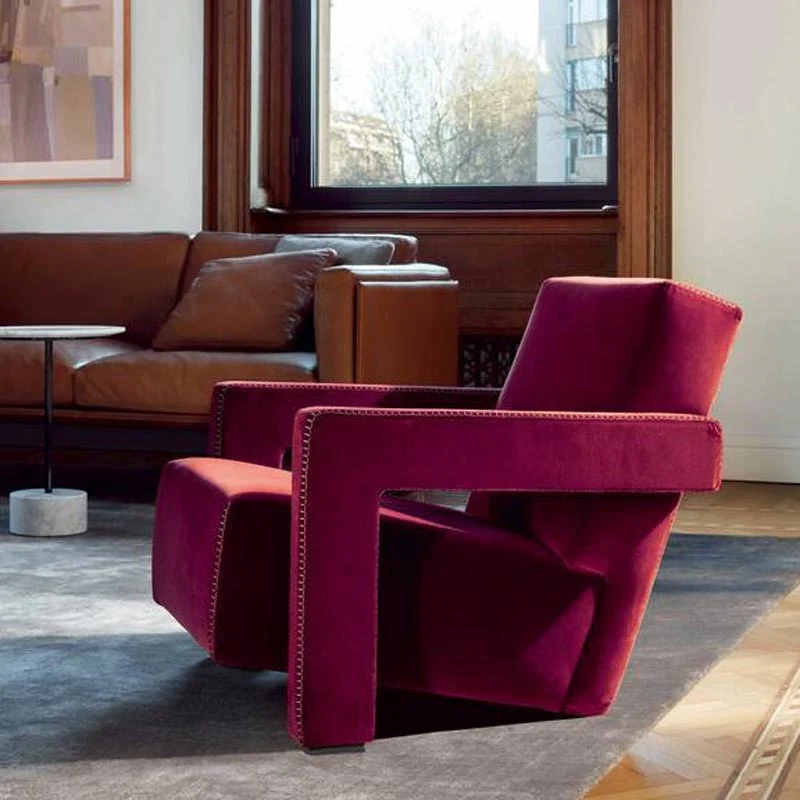
Gerrit Rietveld came up with the design for the Utrecht armchair in 1935 while working for the Metz & Co. department store in Amsterdam, where his brief was to make a chair for serial production. Taking market needs into account, while privileging a comfortable and relaxing experience, led to the elements of the chair being treated as separate units. As a consequence, the chair became an icon of both the Neoplastic movement, and of Rietveld’s experimental vision.
This version hasn’t the numbering and the identifying mark. Cassina offers a new reinterpretation of the iconic model dated 1935: an anthropometric response to the increasing sizes of modern generations.
- Main frame seat and backrest in steel rod with elastic bands.
- Massive poplar wood armrests.
- Padding is polyurethane foam.
- Polyester padding with resin along with light velvet.
- Quilted fabric upholstery
- Foot is made from black plastic.
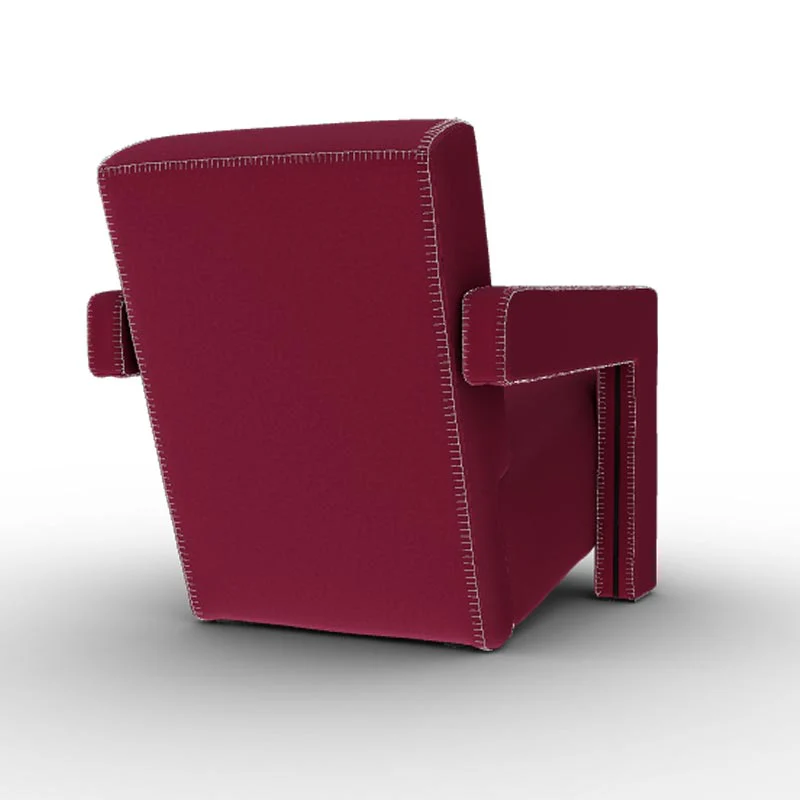
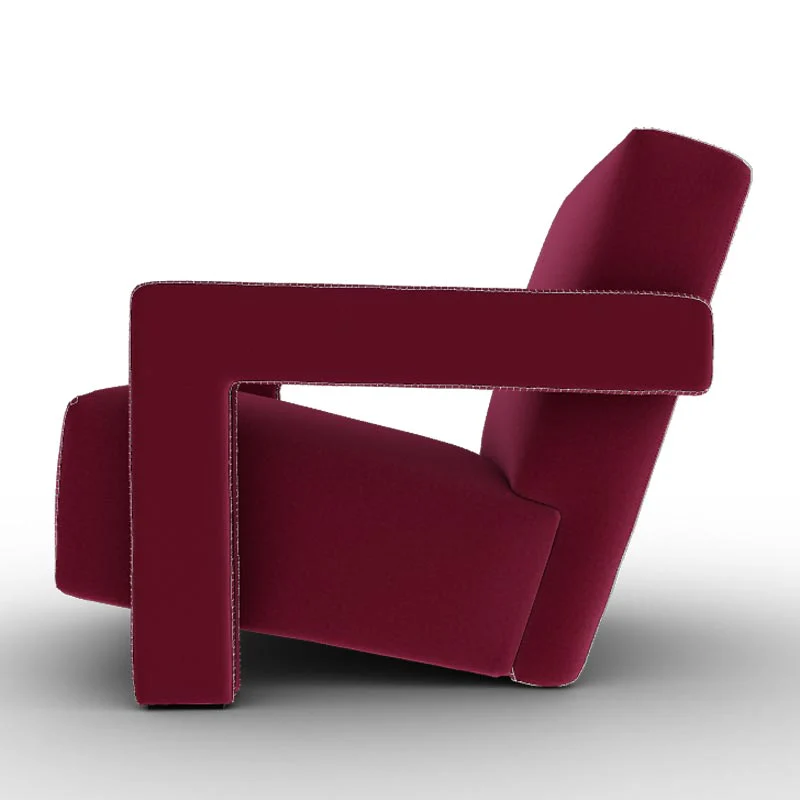
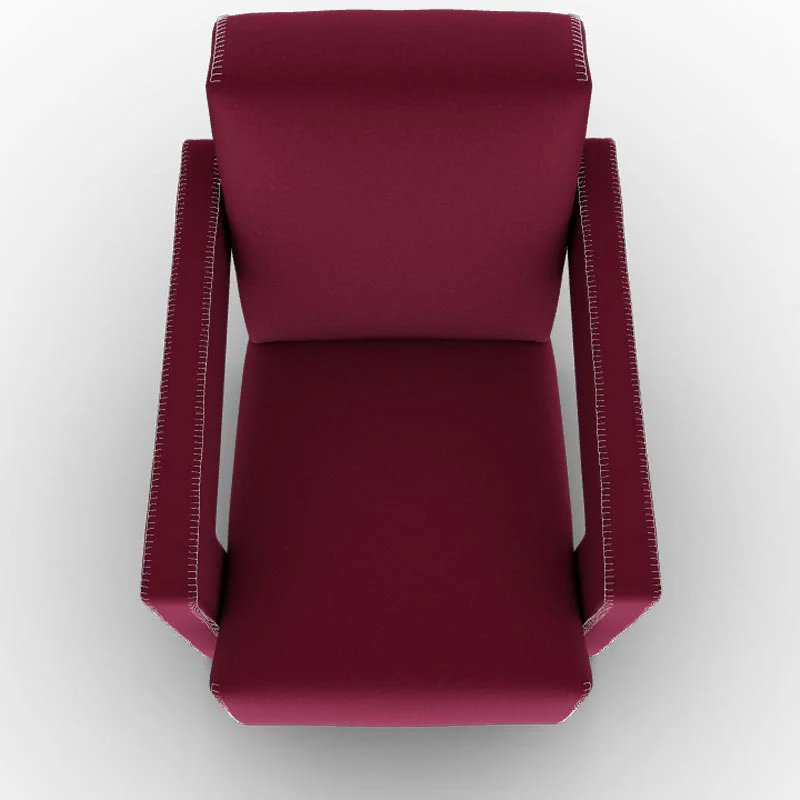
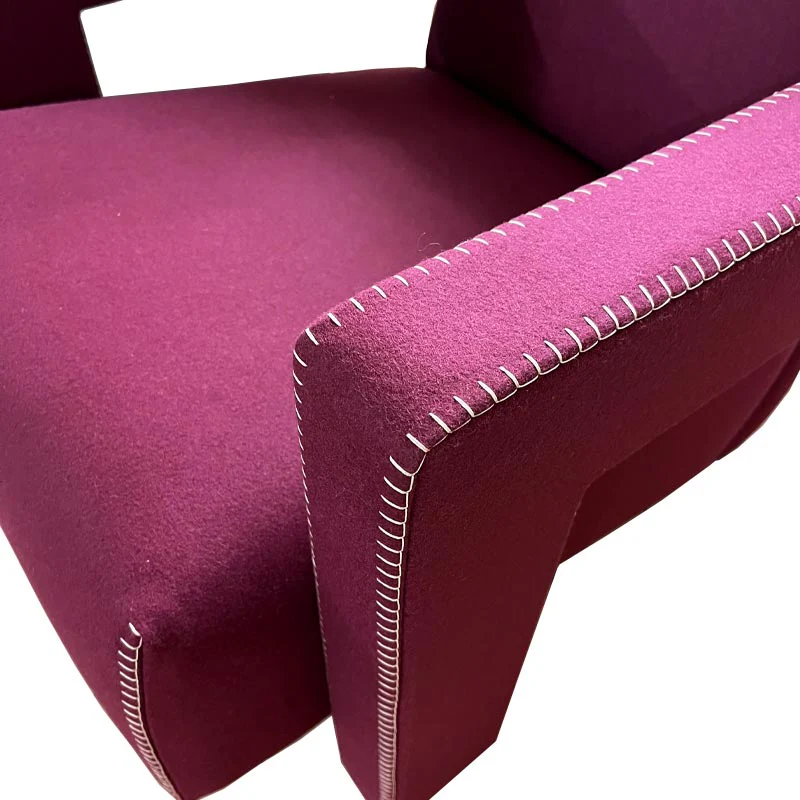
Stitchwork: Cucitura punto cavallo (natural thread colour)
Upholstery: Lincoln vinnacia
Details & Craftsmanship
Every detail has been carefully considered to bring you the perfect product.
Details & Craftsmanship
Every detail has been carefully considered to bring you the perfect product.
Details & Craftsmanship
Every detail has been carefully considered to bring you the perfect product.
Details & Craftsmanship
Every detail has been carefully considered to bring you the perfect product.
Details & Craftsmanship
Every detail has been carefully considered to bring you the perfect product.
Details & Craftsmanship
Every detail has been carefully considered to bring you the perfect product.
Description
Gerrit Rietveld came up with the design for the Utrecht armchair in 1935 while working for the Metz & Co. department store in Amsterdam, where his brief was to make a chair for serial production. Taking market needs into account, while privileging a comfortable and relaxing experience, led to the elements of the chair being treated as separate units. As a consequence, the chair became an icon of both the Neoplastic movement, and of Rietveld’s experimental vision.
This version hasn’t the numbering and the identifying mark. Cassina offers a new reinterpretation of the iconic model dated 1935: an anthropometric response to the increasing sizes of modern generations.
- Main frame seat and backrest in steel rod with elastic bands.
- Massive poplar wood armrests.
- Padding is polyurethane foam.
- Polyester padding with resin along with light velvet.
- Quilted fabric upholstery
- Foot is made from black plastic.
Stitchwork: Cucitura punto cavallo (natural thread colour)
Upholstery: Lincoln vinnacia